Expert Personal Brand: Where to Start Without Being an Influencer
Personal branding is a craft. Learn how to talk about your work in meetings and on camera. Specific voice and body exercises you can do at home.
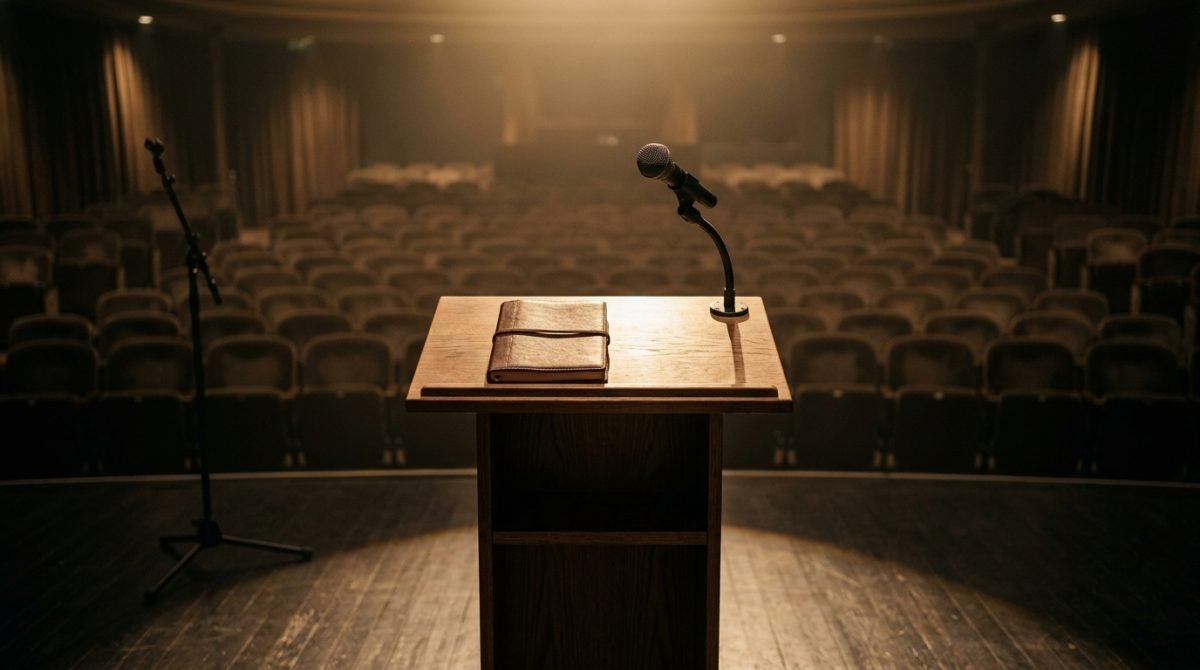
An autumn Saturday morning is a good time to sit in silence and look at how others see us in the professional world. Many people ask me in the training room where to start when it comes to an expert's personal brand, and no one wants to be an internet celebrity. The answer comes down to one issue. It's about how you talk about your work when someone gives you the floor at a meeting, a defense, a job interview, or during a presentation to the board.
Before you stand in front of people
Before you enter a conference room, turn on your laptop camera, or stand before a committee, you need to know what exactly you want to convey. An expert doesn't have to raise their voice to be heard. It's enough to speak clearly and to the point. On a television set, I often see guests who have immense knowledge but get lost in digressions. Preparation is the foundation of every good presentation.
Writing for speaking is different from writing emails. When preparing a text, you must use shorter sentences. Long, complex structures make you run out of breath halfway through a thought.
Here is what you should do before you open your mouth:
- Reduce your message to one main sentence that the listener should remember.
- Throw out industry jargon from your notes and replace it with words that someone outside your field will understand.
- Plan a strong opening that immediately shows what you will be talking about.
- Prepare a short real-life example that illustrates the dry theory.
- Take care of your body posture before the first word is spoken, resting your weight evenly on both feet.
A personal brand built with voice and body
A well-built personal brand relies on how you sound and how you look during a conversation. When you're giving an investor pitch or answering a recruiter's questions, your body sends signals. We start with eye contact. If you're speaking to a camera, look into the lens axis, not at the preview screen. If you're standing in front of people, choose one person for one thought. This builds trust and focuses the room's attention.
The second issue is the voice. The pace of speaking reveals your stress level. When you speed up, the listener feels your anxiety. Slow down. Give yourself time to fully pronounce the endings of your words. Use pauses. A pause is where your listener processes information. In a job interview, silence after your answer shows confidence. You don't have to immediately fill the empty space with sound. Let your arguments resonate. Your breath should come from the diaphragm, low, without raising your shoulders. This lowers the tone of your voice and makes you sound stable.
Often on recordings, you can see hands living their own lives. Gesturing is necessary, but it must support the message, not drown it out. Keep your hands in an open position, at waist height. Avoid crossing your arms and hiding your hands in your pockets. These are small elements of the craft that make up a cohesive image of a professional.
The most common mistakes
Based on hundreds of hours spent with people in front of the lens, I can point out a few repetitive slip-ups. They can be easily eliminated if you know what to pay attention to.
Not using a period at the end of a sentence. People often suspend their voice, making the statement sound like a never-ending question. It strips you of authority because you sound like you're asking for acceptance of what you're saying. The fix involves consciously lowering your intonation at the end of a thought. Put a period and fall silent.
Speaking on leftover air. You start a sentence strong, and by the end, you run out of breath, making your voice dull and quiet. The fix is shorter sentences. Instead of building complicated narratives, opt for simple messages and take a breath during planned pauses.
Letting your eyes wander across the ceiling in search of a thought. It's a natural reflex, but on camera or on stage, it looks like a lack of preparation. The fix is to lower your gaze to your notes or maintain eye contact with your listener, even when you're looking for the right word.
Too many filler words. Any sounds of hesitation drown out your message and distract the listener. The fix requires recording yourself and catching these moments. Instead of making a sound while thinking, simply close your mouth.
How to practice this
Craft requires repetition. You can start working at home, without professional equipment. I have prepared a simple plan for the upcoming week that will allow you to check your habits.
On Monday and Tuesday, focus on the period and your breath. Read a page of any book out loud. Mark the places to inhale with a pencil and consciously lower your voice at the end of each sentence. On Wednesday and Thursday, turn on your phone's camera. Record a two-minute statement about your work, as if you were answering a recruiter's question. Watch the footage without sound. Check what your hands and eyes are doing. See if you are standing stably.
On Friday and Saturday, watch the same recording, but without the picture. Listen to your pace and breath. Count the filler words. On Sunday, record the same text again, introducing the corrections from the whole week. You will see a difference in the way you deliver the text.
Working independently with a phone provides a good foundation. However, when you feel that you no longer see your mistakes or stress eats you up in crucial moments, it's worth changing the environment. That's when 1:1 training in a studio comes in handy. We take one specific area, work through it on recordings, with me behind the camera. We watch the footage frame by frame, correct mistakes, and iterate until you get it right.
Your knowledge will defend itself, as long as you give it the right form. The rest is simply a craft that can be practiced step by step.
Questions and answers
Is it possible to build an expert position without social media?
Yes, your work defends itself in meetings, defenses, and daily communication. The key is how clearly you can talk about it.
How do you control a shaking voice at the beginning of a presentation?
Focus on an extended exhale right before entering the room. Say the first sentence slower and in a lower tone, consciously putting a period at the end.
When is it worth deciding to work in a studio with a camera?
When recording yourself with a phone stops bringing progress. Working with a director and a monitor allows you to catch details that are invisible in home conditions.