Media Training: How to Master Interviews and Tough Questions
Practical media training in a nutshell. Learn how to prepare for a TV interview, control your voice, and answer tough questions.
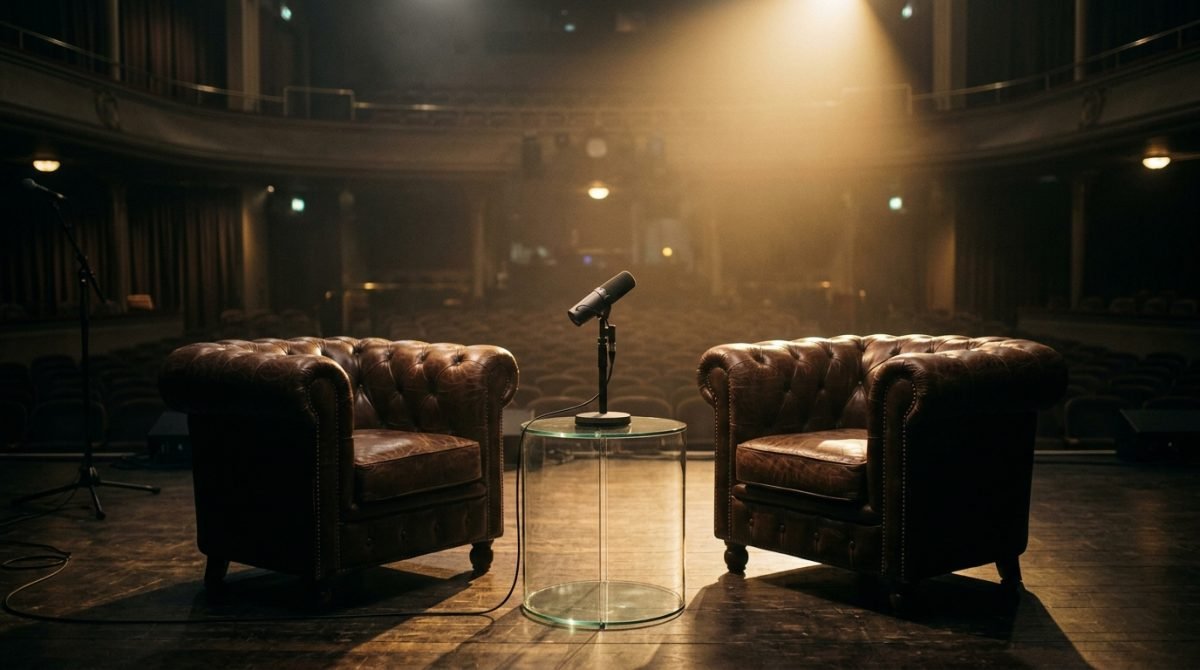
An autumn Wednesday morning in a TV studio often smells of coffee and the stress of guests who are about to sit in the armchair opposite me. They wonder how to survive tough questions and not lose their train of thought when the red light on the lens turns on. The answer to these fears is media training, which is systematic work on voice, posture, and message precision. I teach specific skills that allow you to master this chaos and focus on the message.
Before you stand in front of people
Preparation for an interview starts long before entering the studio. I see this on set every day. Guests who know what they want to say sit differently and breathe more calmly. Properly organizing your thoughts is the foundation on which you build your on-screen presence.
- Define one main message. Think about what the viewer should remember when the conversation ends.
- Prepare short examples. Television hates abstraction; it needs images, data, and specific real-life situations.
- Check the program format. Determine how long the conversation lasts, whether it is recorded live, whether it is a casual morning show, or hard-hitting journalism.
- Write down tough questions. List the issues you would least like to be asked about and craft a calm, substantive answer for them.
- Build communication bridges. Prepare phrases that will allow you to smoothly transition from an uncomfortable topic to your main message.
Media training in practice: steps to master
Working on camera is a craft. When you sit in front of the lens, a few technical details matter and determine how the viewer perceives you. The first element is posture. Sit on the edge of the armchair, rest your feet flat on the floor. This stabilizes the body, facilitates diaphragm work, and prevents uncontrolled rocking in the chair.
The next step is eye contact. Look at the host, not the cameras. The camera is the viewer's eye, but in a classic interview, you are talking to a person. Searching for the red light with your eyes is distracting and ruins the naturalness of the dialogue. Focusing your attention on the interviewer also helps maintain concentration on the question being asked.
The third pillar is the pause. When a tough question is asked, you don't have to answer in a split second. Take a breath. That second of silence builds authority and gives you time to formulate your thoughts. On television, silence only seems long to the people in the studio; for the viewer in front of the screen, it is the natural rhythm of a conversation.
Most common mistakes
From the perspective of over a dozen years of working on camera, I see recurring slip-ups. They usually stem from a lack of familiarity with the television format and attempts to save the situation on the fly.
The first mistake is rambling from stress. The guest starts talking fast, loses their breath and the meaning of their statement. The fix involves consciously shortening sentences. Use periods. A short sentence is easier to control, and the diaphragm has time to replenish air.
The second mistake is avoiding eye contact. Looking at the ceiling while searching for an answer looks on screen like a lack of self-confidence or an attempt to recall a memorized formula. The fix is simple. If you need to think, rest your gaze on the host's hands or the edge of the table.
The third mistake is repeating the premise of the question. A journalist throws an accusation, and the guest starts the answer by denying that specific phrase. The fix requires discipline. Ignore the false premise and immediately move to your substantive message, using a previously prepared bridge.
The fourth mistake is slouching in the armchair. The body loses energy, and the voice becomes flat and quiet. The fix is an active posture. A slight lean toward the interviewer opens the chest and adds dynamics to the statement.
How to practice this
On-camera skills are trained like muscles. You can start at home using the tools you have on hand. I suggest a simple plan for the upcoming week.
Dedicate day one and two to phone recordings. Ask someone close to you to ask you three tough questions from your field. Answer while looking into the phone's lens. Then watch this footage without sound, checking only your posture and facial expressions.
Day three and four are for voice work. Read industry articles out loud, forcing yourself to make clear pauses at periods. Pay attention to whether you take low breaths, engaging the diaphragm, or shallow ones, raising your shoulders.
Dedicate day five through seven to bridging. Practice smoothly transitioning from an uncomfortable question to your main message. Write down phrases that make it easier to change the subject and weave them into everyday conversations.
Home rehearsals provide a solid foundation. When you feel you need objective verification and work in conditions similar to television, the solution is 1:1 training in a studio: one area worked through on recordings, with me at the camera. This gives a real picture of how you react to lighting, professional equipment, and a director on set.
Appearing in the media is a craft based on technique and thorough preparation. When you know how your body and voice work, no question will throw you off balance.
Questions and answers
Can you completely eliminate stress before an interview?
Tension always appears, but you can tame it and turn it into energy for action. Diaphragmatic breathing techniques and solid substantive preparation help with this.
What should I do if I don't know the answer to a journalist's question?
It is best to honestly admit that you don't have precise data at the moment, and then smoothly transition to an area you know well. Avoiding the answer and making up facts is always visible on screen.
How should I dress for a TV interview?
Choose clothes without small patterns that might flicker on camera. Opt for muted colors and a comfortable fit that doesn't restrict movement and allows for free breathing.