YouTube Training: Who Should Speak for the Company
Fall summaries are a great time for video. See how to choose the right person for the camera and what to say. Practical YouTube training behind the scenes.
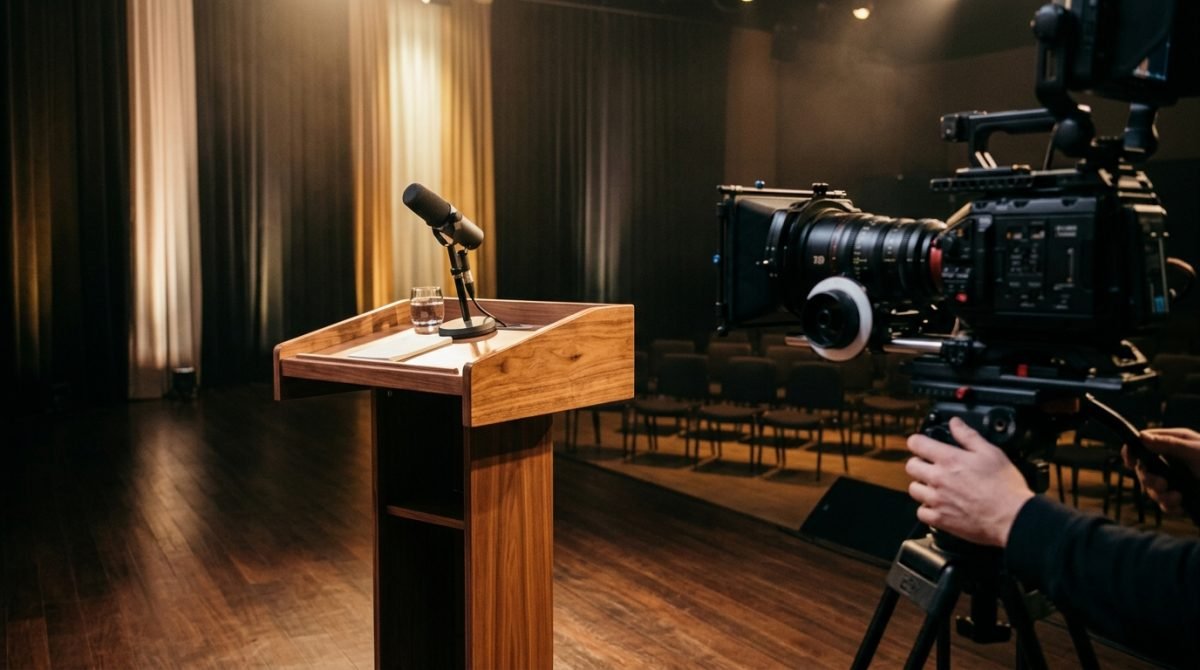
Monday morning, the fall sun barely breaks through the office windows, and the board is waiting for the quarterly summary. Instead of another file with dense charts, a short video appears on the screen in which a company employee calmly and matter-of-factly explains the most important results. Who should stand in front of the lens, how to structure such a story, and why it works better than slides are questions I hear almost every day when we conduct YouTube training for companies. Video is becoming the primary tool for internal and external communication. You do not need actors or hired presenters for this. You need someone from the team who can hold attention and convey the core of the matter.
Before you stand in front of people
Before you hit record or stand in front of the camera in the conference room, you need to know who you are talking to. Fall is the time for closing budgets, planning the next year, and making summaries. Viewers are tired of data overload. Your material must be a relief for them, not just another chore to check off. Preparation is a foundation you cannot skip with just a smile.
- Define one main takeaway that the viewer should be left with after watching the material.
- Choose a person who naturally understands the topic, not the one who holds the highest position in the structure.
- Write a script in the form of bullet points, avoiding reading entire, complex sentences from a piece of paper.
- Check if the language you use is understandable to someone outside your department.
- Do a dry run, timing yourself with a watch in hand.
The camera does not forgive chaos. If you do not know what you want to say, the lens will immediately catch it and convey it to the viewers.
YouTube training step by step
Choosing the face of a corporate channel is a strategic decision. From my observations on set, the best performers are experts who explain intricate processes to clients or new employees on a daily basis. They already have a developed habit of simplifying and natural patience. When we run the Master of YouTube program (2 days): working on your channel - content, publishing, broadcasting, analytics, monetization, we always start with the basics of working with the body and voice.
The first step is mastering the lens axis. When you speak to the camera, that little glass eye is your only viewer. Look straight into the glass. Looking away at the preview monitor, which is often right next to it, makes the viewer feel ignored. Eye contact builds trust.
The second step is breathing. Stress makes us start breathing shallowly, using only the tops of our lungs. The voice then becomes squeaky and uncertain. Focus on breathing with your diaphragm. Feel your stomach rise as you inhale. This kind of breathing provides support for the sound, and your voice sounds lower and calmer.
The third element is the structure of the statement. Start with specifics. Instead of long historical introductions, say right away what this material is about and why it is worth watching. Then develop the background, provide arguments, and give a clear conclusion at the end. The viewer needs to know where your story is heading.
Most common mistakes
During training sessions, I see recurring patterns that are easy to eliminate if you just become aware of them.
A lack of pauses is a common problem. Out of nerves, people glue sentences into one long string, afraid of silence. Silence in front of the camera seems to last an eternity, but it is essential for the viewer. The fix: take a one-second break after every important thought. Give the audience time to digest the information. The sentence stress then gains strength.
Wandering eyes. Looking away at the ceiling, to the sides, or at the floor suggests uncertainty and a lack of preparation. The fix: if you need to gather your thoughts or remember the next point, look down at your notes, and then return straight to the lens before you start speaking.
Too stiff a posture. Locked shoulders, hands clasped on the stomach in a so-called fig leaf, or stuffed into pockets take away naturalness. The body becomes a board. The fix: let your hands work at chest level. Gesticulate as you would during a conversation with a friend over coffee. Hand movement naturally supports the rhythm of speaking.
Cut-off endings. Lowering your voice at the end of a sentence makes the message lose its weight, and the presenter sounds as if they do not believe what they are saying themselves. The fix: maintain an even sound intensity right up to the period, clearly accentuating the last word.
How to practice this
Speaking to the camera is a craft, and a craft requires repetition. Plan a simple training session for the coming week that you can do at home.
On Monday, set your phone on a tripod or lean it against some books and record a one-minute statement about your current project. On Tuesday, watch this material without sound. Observe your body. See what your hands are doing, how your head is positioned, and whether you are swaying from side to side. On Wednesday, listen to the sound alone by turning the screen away. Pay attention to the pace, breathing, and diction. Catch the moments where a pause is missing. On Thursday, write a new, shorter plan for the same statement, throwing out unnecessary words. On Friday, record it again, consciously using pauses and looking straight into the lens. Over the weekend, compare both recordings and evaluate your progress.
Working independently with a phone teaches a lot and allows you to get used to your own image. However, there comes a moment when home conditions are not enough. That is when training in a working studio makes a difference. Working with three cameras, studio lighting, broadcast microphones, and a teleprompter, under the eye of a director on set, gives a completely different perspective. Recording right at the start, working on the material, sentence-by-sentence feedback, and iterations until you get it right allow you to reach a level that you simply will not achieve in your living room.
The camera ruthlessly exposes any falsehood, but it equally reinforces good preparation. A matter-of-fact message recorded with confidence can replace dozens of unnecessary meetings.
Questions and answers
Can anyone appear in a corporate video?
Yes, as long as they understand the topic well and can talk about it in plain language. The rest is a matter of mastering the craft and working with the camera.
How long should a video summarizing results be?
It is best to aim for a three to five-minute format. This is enough time to deliver the specifics before the viewer loses focus.
Is reading from a piece of paper on camera a mistake?
It is definitely better to speak from memory based on bullet points, which builds natural eye contact. If the text must be precise, working with a teleprompter is the solution.